Dr Sandy Adel
April 11, 2026 · 5 min read
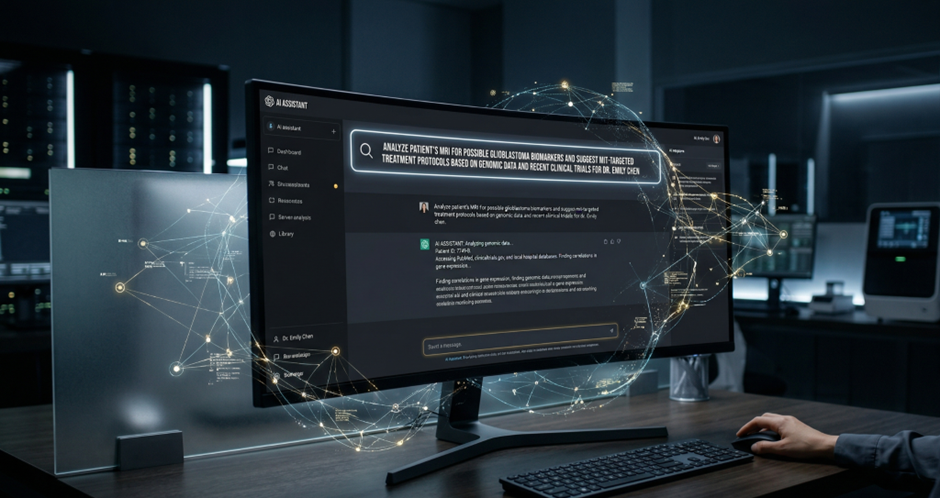
If your clinic shows up on the first page of Google but draws a blank on ChatGPT, you are not alone. Plastic surgery practices across Australia, Singapore, and the United States are discovering that traditional SEO does not automatically translate to visibility on AI-powered tools. The rules have shifted. What gets you ranked in a standard search engine and what gets you cited in an AI response are two different things, and most clinics have not caught up yet.
This is not a Google ranking problem. It is an answer engine problem.
When someone asks ChatGPT “what is the best clinic for rhinoplasty in Sydney” or “how do I find a qualified cosmetic surgeon in Singapore,” the model does not crawl the web in real time and serves up a list of links. It draws on content that has already been indexed, processed, and trained into its understanding of the world. The clinics that appear in those answers are the ones whose content was clear, structured, well-sourced, and authoritative enough to be treated as a reliable reference.
That is a significant distinction. A page can rank on Google through technical optimisation, backlink volume, and keyword placement. To appear in an AI-generated answer, the content itself has to read as genuinely informative. The model is looking for specific, accurate, well-explained responses to real questions that patients actually ask. If your website is built around keyword density rather than substantive answers, it is essentially invisible to tools like ChatGPT, Perplexity, and Google’s AI Overviews.
The most common issue is not that clinics have bad content. It is that they have content designed for a different era of search. Pages that list services, include a photo gallery, and close with a contact form were fine in 2018. They are not enough now.
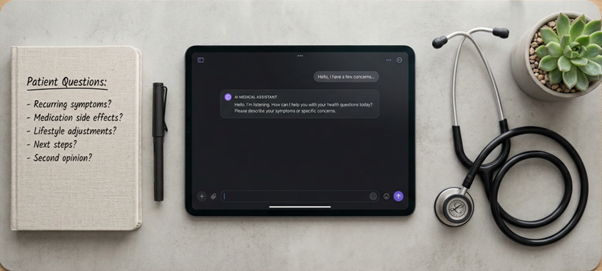
AI answer engines prioritise content that directly addresses patient questions in plain language. Things like: what is the recovery time after a facelift, how does a consultation work, what questions should I ask my surgeon before a procedure. These are the queries patients type into ChatGPT at 10pm when they are doing their research quietly before they ever fill out a contact form. If your website has not answered those questions in a way an AI model can extract and attribute, someone else’s content will fill that gap instead.
The other gap is structure. AI tools extract information much more effectively from content that is logically organised, uses clear headings, and contains specific factual statements. Vague service descriptions and generic reassurances do not get cited. Precise, well-explained answers do.
For clinics operating in Australia, the United States, and Singapore, advertising standards are already integrated into how compliant content gets written. In Australia, AHPRA and the TGA set out clear requirements around claims, testimonials, and before-and-after imagery. In Singapore, clinics work within the HCSA framework and adhere to HSA guidelines on therapeutic advertising. In the United States, FTC and FDA rules govern what can be claimed and how. Any clinic working with a qualified content partner is already producing content within these frameworks as standard practice.
This matters for AI visibility because compliant content is, by definition, measured and accurate. It avoids unverifiable superlatives, relies on factual statements, and explains procedures clearly rather than making performance promises. That kind of writing happens to align well with what AI models treat as credible. Compliant content and AEO-ready content share a lot of the same qualities.

The fix is not complicated, but it does require a deliberate approach to content.
Start by identifying the questions your patients are actually asking before they book. Not the questions you want them to ask, but the ones that come up in consultations, in DMs, in Google reviews. Those questions are your content brief. Each one deserves a clear, direct answer somewhere on your site, whether that is in a dedicated FAQ section, a blog post, or a well-structured procedure page.
Build out your procedure pages so they function as genuine information resources. Explain what the procedure involves, what patients should realistically expect during recovery, how to prepare, and what makes a good candidate. That level of depth is what gets extracted and cited by AI tools when someone asks a related question.
Schema markup matters more than most clinics realise. Structured data helps AI systems understand what your content is about, who your practitioners are, and where your clinic is located. A developer can implement this in a few hours, and the impact on AI indexability is material.
Think about how your content is attributed. Author bylines, practitioner credentials, clinic location details, and links to your professional registrations all contribute to what AI systems assess as source credibility. A blog post written by a named, qualified practitioner carries more weight than an unsigned service page.
AI search is not a future consideration for plastic surgery clinics. Patients are already using these tools to shortlist practitioners, compare procedures, and decide who to contact. If your content is not structured to be cited, you are handing those introductions to competitors who are.
ContentClicks works with plastic surgery clinics across Australia, Singapore, and the United States to produce compliant, AEO-optimised content that performs in both traditional search and AI-generated answers. If your clinic’s digital content needs a rethink, get in touch with the team at ContentClicks.

Technology partners